The Motherhood Penalty - Why are mothers being left behind in theatre?
23rd March 2026
The theatre industry says that it is progressive, inclusive, and a platform for telling real stories that resonate. Yet for many parents, mothers especially, the experience of working in theatre is very different.
“I took a few years out when my daughter was born, due to the gap in my portfolio I struggled to get back into the industry” and “Sometimes the cost of childcare either prevents people taking a job, or means you don’t have enough prep time for an audition” are just two comments that have come from the research project ‘The Motherhood Penalty’ which looks at ways to improve conditions for mothers in the arts.
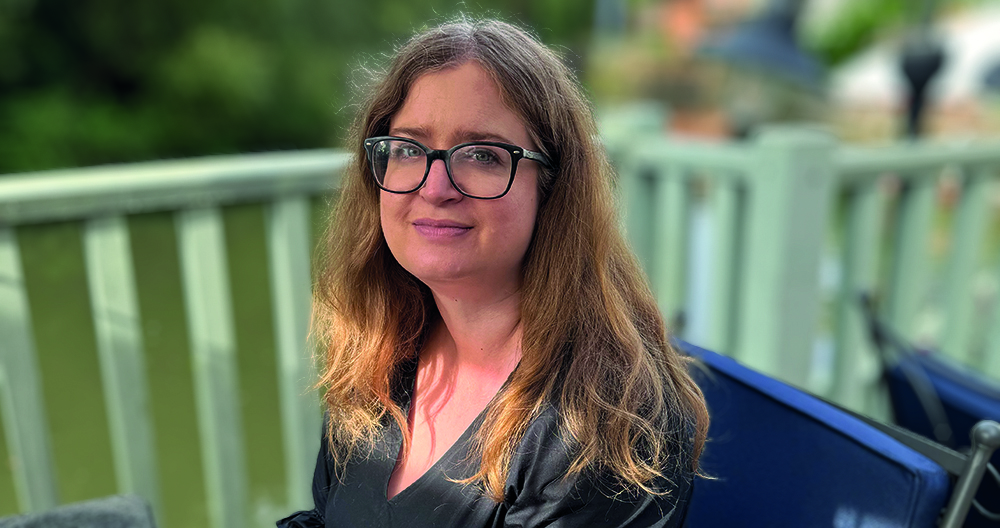
Led by playwright and academic Jennifer Tuckett and partnered with Women in Theatre Lab, Women in Theatre research project and Parents and Carers in Performing Arts (PiPA), the first part of the research involved industry professional participating in focus groups and questionnaires to explore the impact of childcare responsibilities and how the industry can best support mothers.
Eleven key areas were identified, which include: the need for flexible hours, the need to provide greater childcare support, the need for greater recognition and acceptance of childcare issues when they occur, the need for arts industry change in terms of working hours, and the need for new models.
The findings paint a stark picture and suggest the UK theatre sector is “inhospitable to parents”
Unpredictable schedules remain one of the biggest barriers, along with working practices that makes balancing a career in theatre with family life very difficult.

Rehearsal calls are often issued at short notice, some with less than 24 hours’ notice, which makes arranging childcare almost impossible. Long days, evening rehearsals, social events, touring, shows that the rigid systems no longer work around parents. For mothers who tend to be the main caregivers and take on the majority of parental responsibilities, this way of working simply isn’t practical or sustainable. The systems are archaic limiting opportunities and pushing talented individuals out of the industry.
“I think people are put off using people with children - who could affect rehearsal if they get sick or might be more tired due to sleep issues” and “Working hours often not compatible with school hours, a lot of events in the evenings also not compatible” are further comments from research participants.
Being seen and being remembered is a key part to the industry when looking for work. Mothers can’t always attend last minute events or be present for unplanned changes, which means there are fewer opportunities and it’s “harder and harder to get back in the room.”
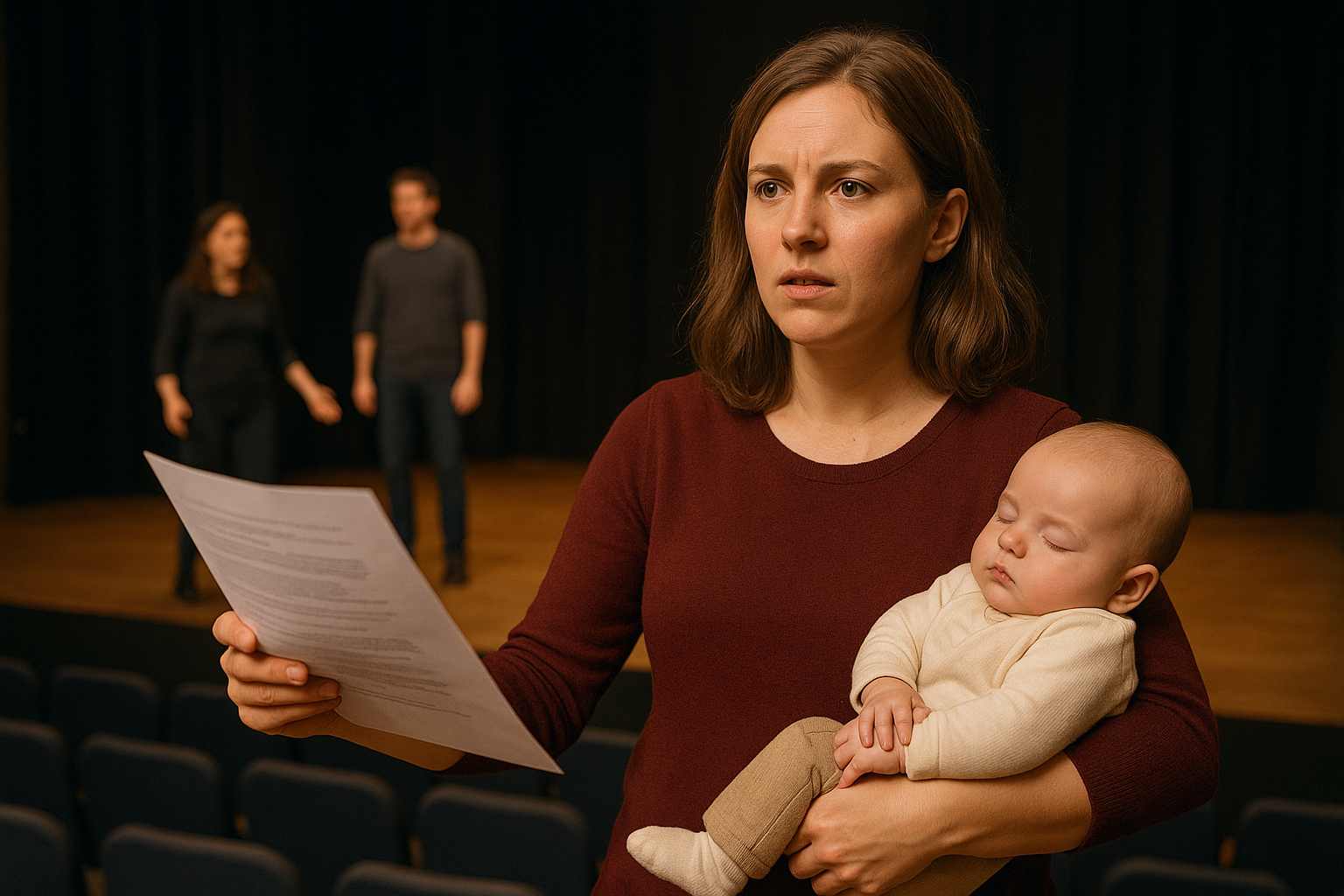
The report highlights a continued preconception that mothers are less reliable or less committed because they have children. In contrast, fathers are far less likely to face this scrutiny. They are often perceived as dependable, hard-working and career-focused, even when they have similar family responsibilities. These outdated expectations have sadly shaped hiring decisions far too many times.
Points made from participants, include “I wish there was a positive discrimination casting portal for tv, film and theatre decision makers to be incentivised to look at the recently invisible cohort of parents (mothers) who would have continued their career trajectory if they hadn’t had children and give them space to reestablish themselves,” and “I think this issue should be addressed because it is directly affecting the careers of women and primary carers in the industry. Many end up leaving the industry or miss out on opportunities because they have caring responsibilities.”
Without mothers in theatre, we aren’t telling their stories. We’re not being progressive, authentic, inclusive or diverse. We’re not putting real people on the stage that many of us can resonate with. Their lived experience, resilience and emotion is powerful.
Drastic change needs to happen before all opportunities are taken away from mothers and we push great talent out of the industry. The industry needs to be more flexible, and practical solutions must be implemented, such as flexible rehearsals and job sharing, that will help mothers with a positive work life balance without the pressure and worry.

We are pleased that this work is being carried out, particularly by someone we admire and respect. If you attended our ‘Taking The Stage’ event at MK Gallery in October 2024, you will remember that Jennifer Tuckett joined us on our opening night to discuss her research and answer the challenging question “Where do we go from here?” alongside Lynda Rooke (Equity President and Chair), Polly Kemp (Theatre Lab and ERA) and Suzette Coon (Playwright) and Winsome Pinnock ( Playwright) Jennifer, and these incredible women who are widely known in the industry, have always been big supporters of our events. For that we are very grateful.
We look forward to reading the second part of this report when it is available, but we are very concerned about the future of theatre for parents.