Protecting our creatives from AI
28th January 2026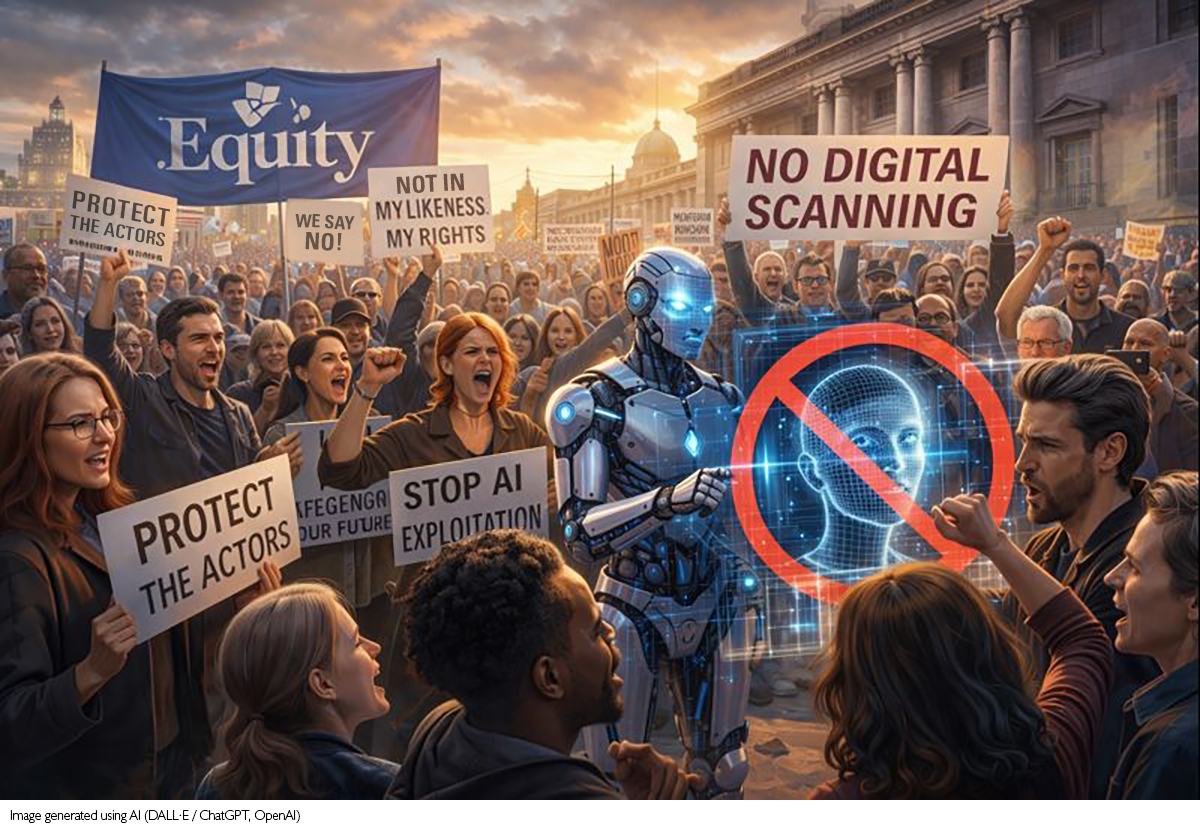
With the use of Artificial Intelligence rising rapidly across the arts, we are currently faced with the challenge of protecting not only the future of our creative industry but our professionals and their work.
Whether we like it or not, AI is becoming a big part of our culture and the way we operate. There is no doubt that AI has its place in the arts. One side of the argument is that there is huge potential for what it can do. It can support artists and creatives with new ideas and research, it can quickly generate designs and visual concepts, create immersive worlds, support sound and lighting engineers, aid technical innovation, find new ways of interacting and communicating with audiences, plus streamline processes. All very positive.
On the other side of the coin, there are real concerns among the industry on copyright, ownership and protection of artists’ work.
Copyright law is something that just hasn’t caught up with the everchanging and fast-growing nature of AI.
At the end of 2024, the government announced that it was proposing to allow tech firms to use copyrighted work for free to train their AI tools, such as ChatGPT. Creative companies and individuals were given the opportunity to opt out and ‘reserve their rights’ should they not wish to share their work! This, of course, caused uproar from many within the industry, including Sir Paul McCartney.
Creatives fought back in early 2025 and issued this statement warning AI companies against the unlicensed use of their work: “The unlicensed use of creative works for training generative AI is a major, unjust threat to the livelihoods of the people behind those works and must not be permitted.” This has been signed by over 50,000 artists in film, tv, music and theatre.
Following this, the government held a consultation, that looked into the UK’s copyright laws and how they can ensure it continually supports the UK creative sector. The consultation sought out feedback on four options set out:
- 0: Do nothing: Copyright and related laws remain as they are
- 1: Strengthen copyright requiring licensing in all cases
- 2: A broad data mining exception
- 3: A data mining exception which allows right holders to reserve their rights, underpinned by supporting measures on transparency (government’s preferred option)
This consultation ended in February 2025 and the findings will be published in March this year. I will be very interested to read this.
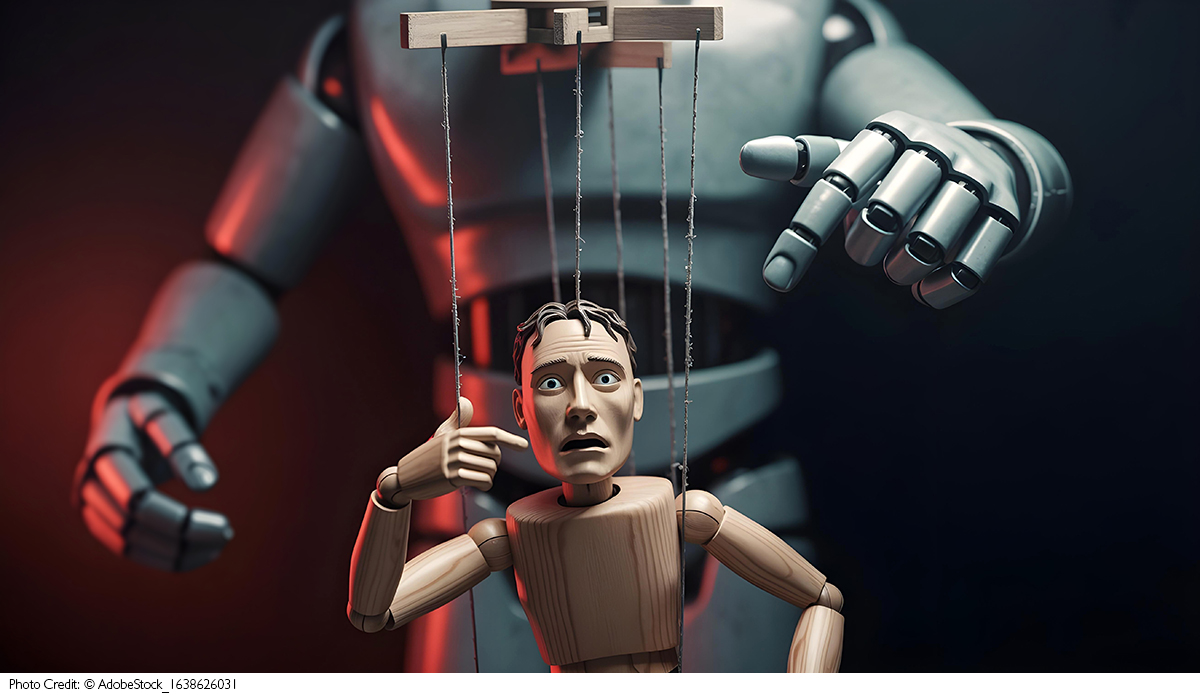
Something has got to be done. As creatives, playwrights and more, we rely on our work. It is how we get paid, and it sustains our livelihood. If our work, even if copyrighted, is given to AI to be used freely by anyone, then that will be to the detriment of not only the time, energy and effort we have put into creating original work but to the industry itself.
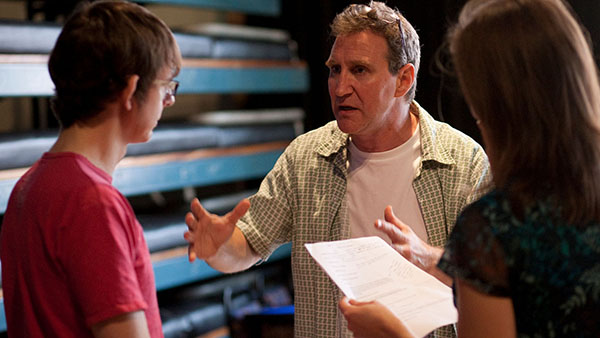
We have spent years training and honing our craft. We are highly skilled professionals who work tremendously hard to bring original ideas and stories to the stage. We can’t let AI take this away from us.
The industry is being held back as creatives are frightened to put out new material for having it stolen by AI and used by others without consent.
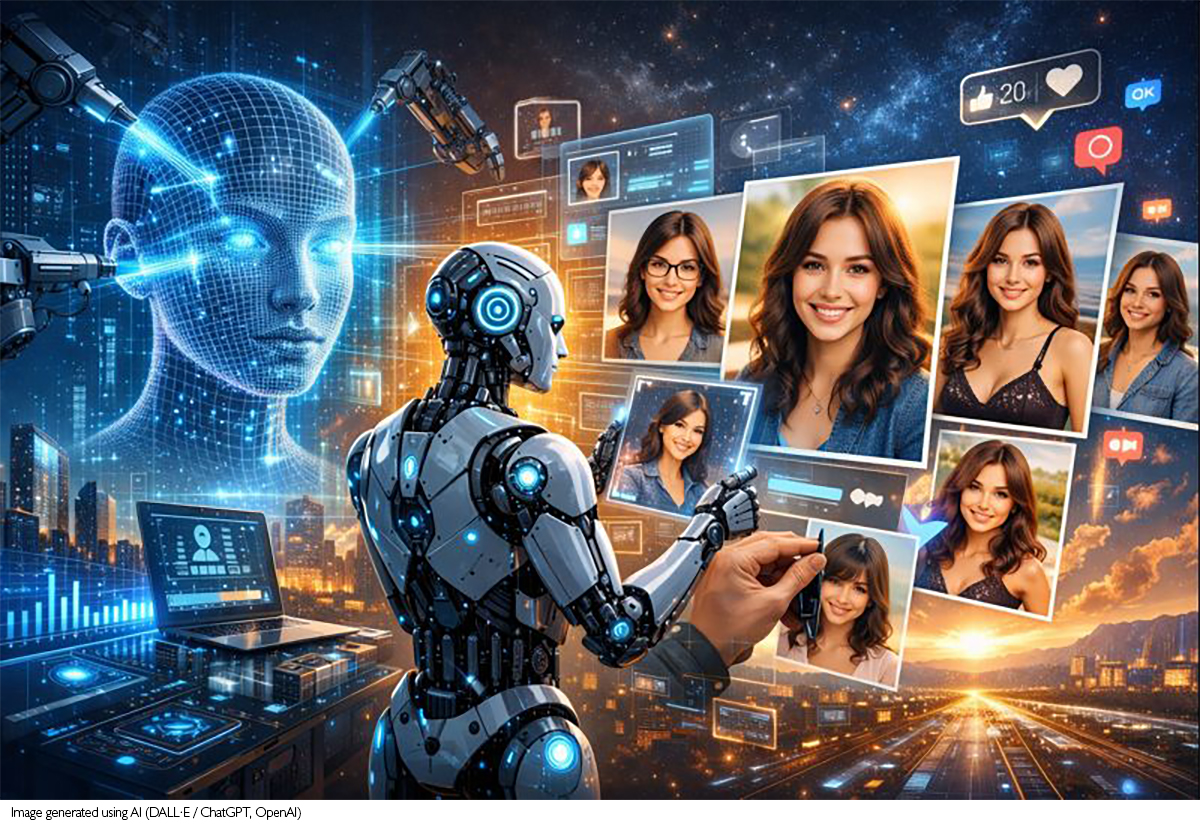
AI is becoming more and more sophisticated with the ability to digitally scan and generate and modify images of people online.
In December 2025, Equity members acted against AI and refused digital scanning to stop ‘their likeness being used by artificial intelligence’. An important step to protect our workforce.
The industry is acting and working together to fight for this essential change. We can only hope that the outcome of the government’s consultation is positive and will support the future of the industry.
Right now, if used beneficially and collaboratively to enhance theatre processes and practises, AI could be very exciting, and I am here to support it where I see fit for our theatre company. However, creatives and our work need to be protected at all costs.
We’ve still got a long way to go!