Help make theatre work for freelancers
1st October 2026In June this year, Norwich Theatre announced that it was putting freelancers at the heart of its new Creative Intent 2026 – 2032 strategy.

It’s all steam ahead with their recent new appointment, Dr Laura Crossley, who will be leading the new Fair Freelance Charter, which will look at how theatres can better work with and support freelancers, and change organisational practise.
This work is not only vital to how Norwich Theatre operates but it will also be a wake-up call to the wider industry. This will be an important insight into how we can all improve our ways of working with freelancers.
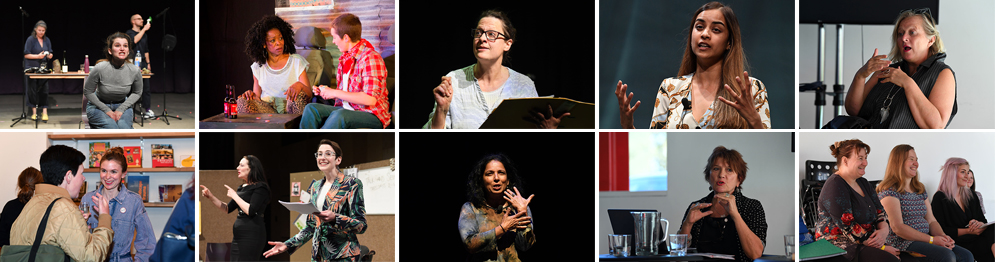
Our industry is notoriously challenging. For freelancers, the uncertainty can be highly stressful - not knowing when your next job will come, the financial insecurity, pressures and instability. It can take a real toll.
Yet, freelancers make up around 70% of the theatre industry. That is a great proportion of highly trained experts and professionals whose skills the theatre industry depends on. Freelancers are passionate about their craft, and in many cases, are freelancers because permanent opportunities are scarce rather than because they choose a very flexible career.
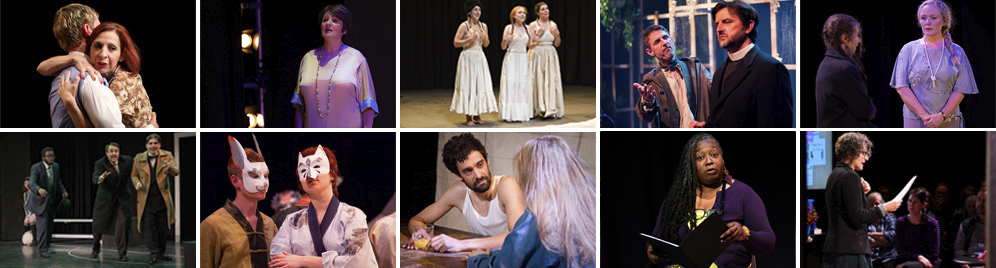
This majority of people we watch perform on stages are freelancers. They generate the work, income and value for the organisations that employ them yet can still be treated as though they are disposable. It’s clear that theatre cannot grow without freelancers. The irony.
Our industry brings in around £4.44 billion into the UK each year and last year entertained over 37 million people, proving that we are an area for economic growth. However, the stats from The 2025 Big Freelancer Survey found that 44% of respondents earned less than the National Living Wage. This along with lack of work and mental health were some of the reasons why artists were considering leaving the industry.
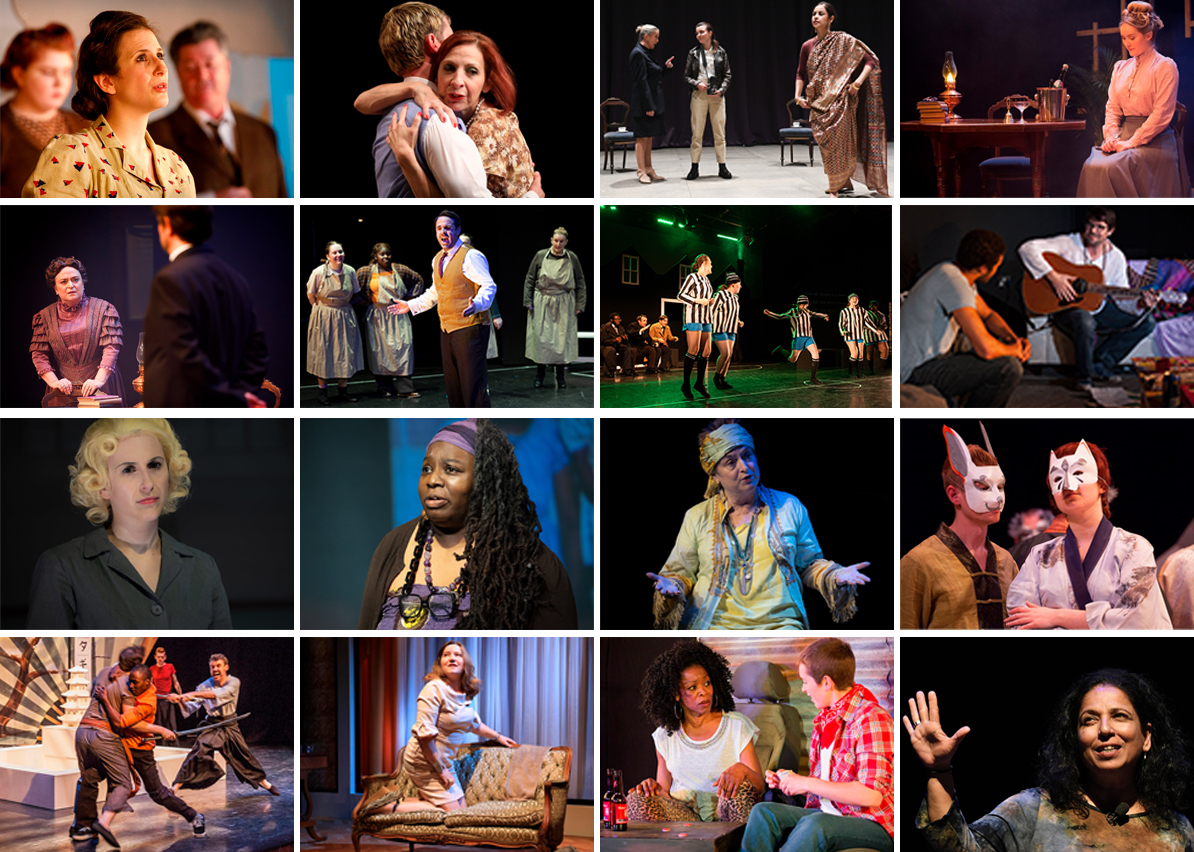
The work carried out by Freelancers Make Theatre Work really matters. It shines a light on the important factors that might leave freelancers vulnerable or allow them to open up on subjects and problems that have not been discussed. It gives freelancers the chance to really open up on areas that must change to improve the way we support them. We must listen.
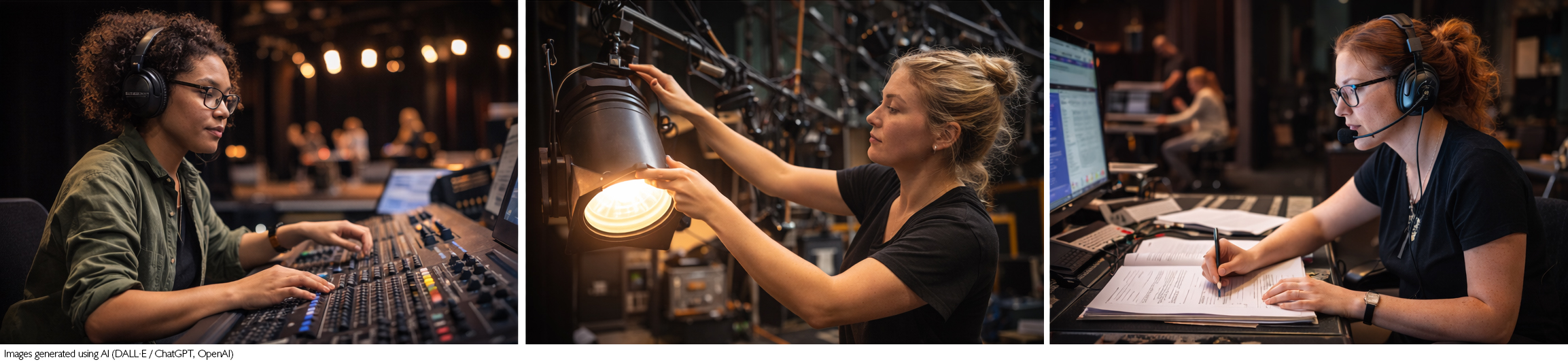
As a professional theatre company, we work with many freelancers. We are proud of the way we work with them:
- We communicate with freelancers effectively. We will keep them up to date on productions and any changes, rehearsals, wardrobe fittings and everything needed to make a production run smoothly.
- We work with freelancers because they are experts. We are always interested in having conversations to hear what skills they can bring to the production and how we can learn from them. For us it is always a two-way learning process.
- We ALWAYS pay our freelancers. For meetings, rehearsals, development and more. We will always pay on time.
- We pride ourselves on the relationships we build with those we work with. We have continued to work with many freelancers throughout the years on a variety of projects.

I am very happy in the way we work and support freelancers at The Play’s The Thing Theatre Company, however there is always room for learning. That is why I am very interested to see the Fair Freelance Charter from Norwich Theatre when it is complete.
We should all look at it so we can start really investing in the people that matter in industry and help make theatre work for everyone.